



 By Juliana Octavini
If you plan to visit or already live in Florida, hurricane season 2026 This year, even before the season officially began, authorities have already issued warnings to the population on the basis of the possible formation of the European Union. El NiñoAnd that changes some important points of the equation.
I'll explain everything here: what the experts are projecting, why El Niño generates so much debate, which regions of Florida are on the radar and, of course, what you can do now to prepare.
hurricane season in Florida in 2025 It's worth a lot of reading.
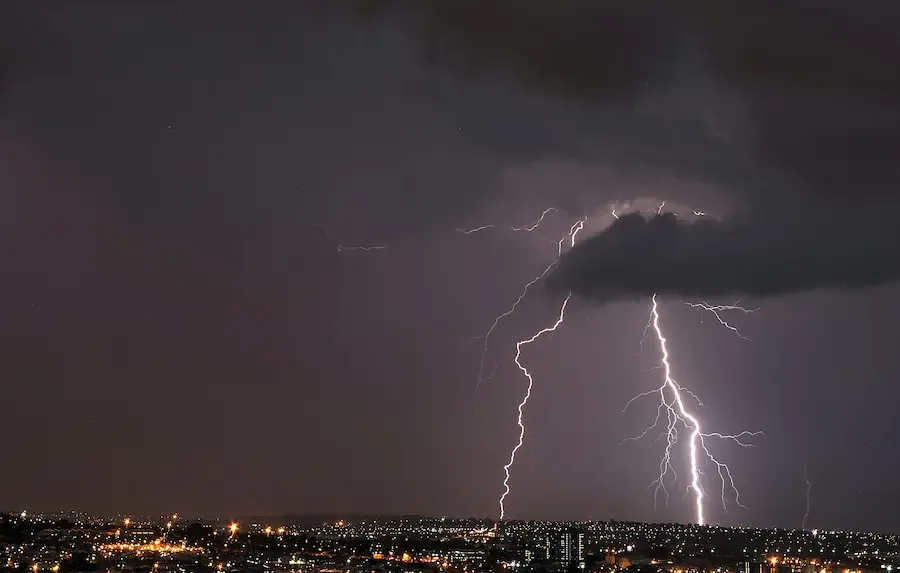
Why did 2026 start generating alerts before June?
The official hurricane season in Florida goes from 1 June to 30 November — and this interval concentrates more than 97% of all tropical cyclones registered in the Atlantic, but this year the alert movement came before usual.
The main reason is the climate transition that the planet is going through. NOAA (National Oceanic and Atmospheric Administration), current conditions have left a phase of La Niña and are moving towards a neutral scenario — with great chance of evolving to El Niño between May and July 2026. Researchers from Colorado State University estimate by 61% the likelihood of El Niño consolidating and maintaining itself until the end of the year.
This phenomenon matters a lot to those who live or travel to Florida because it usually reduces the amount of storms in the Atlantic — by creating high-altitude winds that hinder the formation and intensification of cyclones. In theory, good news. In practice, however, experts are emphatic: season with fewer storms does not mean season without risk.
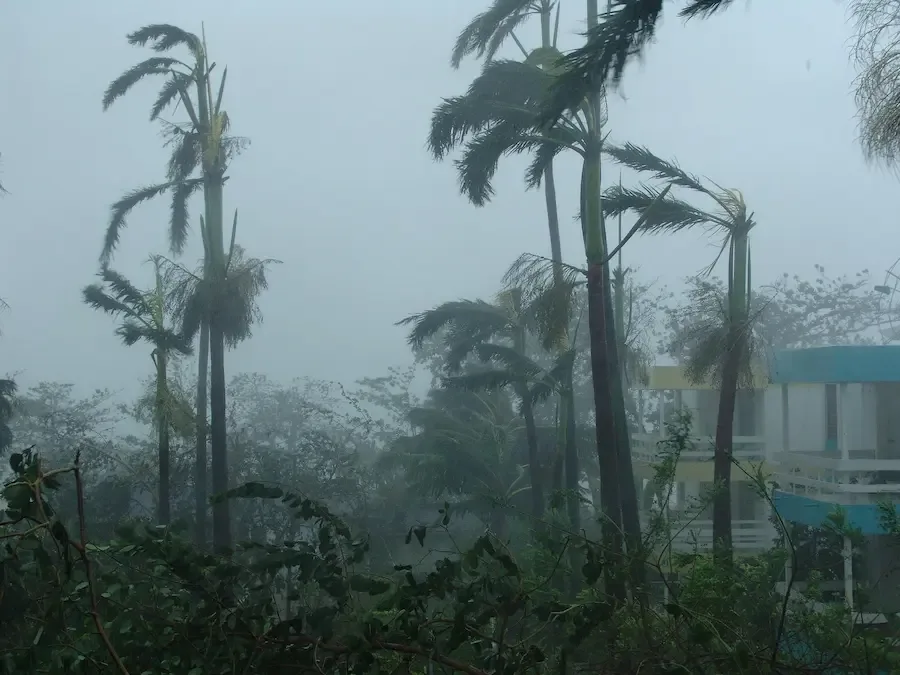
What do the main institutes say about the Florida hurricane season 2026
Three major organizations have already released their projections for this season.
AccuWeather: Between 11 and 16 named storms
AccuWeather projects 11 to 16 named storms, with 4 to 7 hurricanes and 2 to 4 high-intensity hurricanes (category 3 or higher). The forecast also includes 3 to 5 direct impacts in the United States. For context, the historical average is 14 named storms, 7 hurricanes and 3 major hurricanes per season.
What concerns the AccuWeather experts most is not the number of storms, but the rapid intensification — a phenomenon in which a storm jumps from category 1 to category 3 or more in less than 24 hours, and the temperatures of the Atlantic Ocean, still above average, create fuel for exactly this type of scenario.
Colorado State University: 13 storms, season below average
The team of meteorologist Phil Klotzbach, Colorado State University — pioneer in seasonal forecasting since 1984 — projects 13 named storms, 6 hurricanes and only 2 hurricanes of great intensity. The estimated accumulated cyclonic energy index (ACE) is 90 units, which represents about 73% of the historical average. The last time the ACE was below that level was 2015, the year of a strong El Niño.
The CSU is clear about the reason for the most contained scenario: a robust El Niño must dominate tropical circulation during the peak of the season, generating shear winds that make it difficult to develop storms.
Tropical Storm Risk (TSR): up to 14 storms, but 3 could be larger hurricanes
The international climate research consortium TSR projects up to 14 storms in the Atlantic, with approximately half evolving into hurricane. Among them, three systems must reach high intensity — category 3 or higher, with winds above 111 miles per hour. The TSR points to sea surface temperatures as a central factor of uncertainty in projections, since warmer waters function as direct fuel for cyclones.
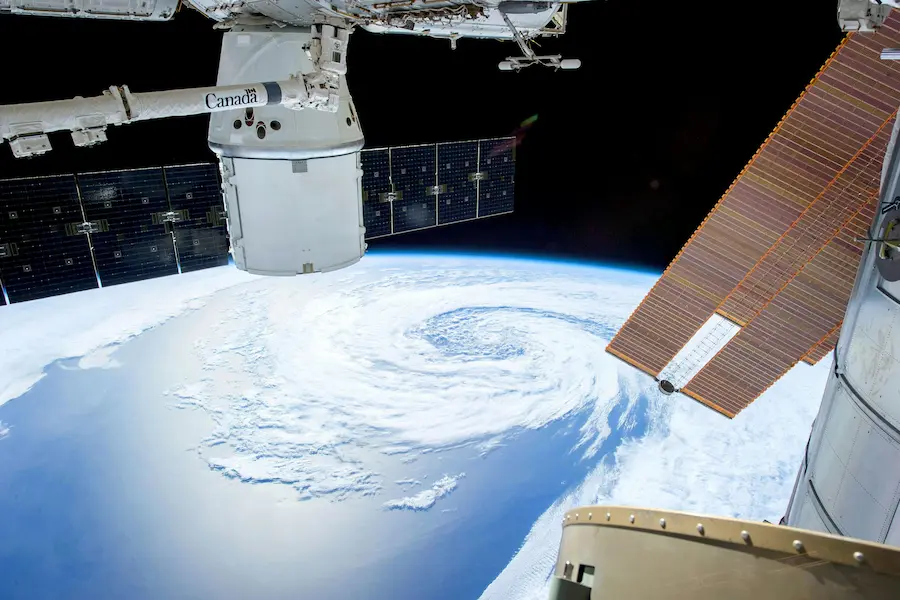
El Niño: Ally or villain in the Florida hurricane season 2026?
The honest answer is: depends on the time of the season.
El Niño tends to suppress the cyclonic activity — but it takes time to consolidate itself. This means that the beginning of the season, especially June and early July, may be more dangerous than the history suggests for El Niño years. Experts from the Climate Adaptation Center point out that June is a special period of attention to the west coast of Florida precisely for this.
Moreover, there is a frightening detail that meteorologists often stress: El Niño does not prevent rapid intensification. The waters of the Gulf of Mexico are warmer than the historical average — and this heat extends hundreds of meters deep. So if a storm crosses the Gulf during a low atmospheric shear window, it can be dramatically strengthened in a matter of hours.
The classic example is Hurricane Andrew, 1992 — a year from El Niño. The season had been relatively quiet. But Andrew graduated near Miami, intensified quickly and completely redefined what we understood as a natural disaster in the US.
Which parts of Florida are at higher risk in 2026?
According to AccuWeather and the analysis of atmospheric patterns similar to years 2009, 2014, 2018 and 2023, the areas with the highest risk of direct impact in 2026 are:
- North and northeast coast of the Gulf of Mexico, including the coast that runs from Tampa to the Big Bend and Florida Panhandle region
- The Carolinas and parts of the coast of Virginia
- The East coast of Florida and South Florida face risk close to historical average
For those who go to Orlando or other inland cities, the direct risk is lower — but storms can cause intense rains, windfalls and power drops even hundreds of miles from the point of arrival on the coast. Idalia and Helene, in recent years, have caused billion-dollar damage without even directly hitting the most populated areas.
An important novelty: the new cone of the National Hurricane Center
O NHC (National Hurricane Center) The new version begins to display warnings of tropical and hurricane winds also to regions of the interior, not just to the coast. This helps those who live or visit areas that were invisible in the previous graphs to better understand the real risk.
What to do to prepare before the Florida hurricane season 2026
Regardless of the amount of storms predicted, the preparation makes all the difference.
Before the season begins:
- Know your evacuation zone and identify exit routes
- Review your residential insurance — many Florida residents have considered giving up coverage because of high prices, which can be a dangerous decision
- If you are a tourist, check with the hotel where you are staying all the recommendations for the hurricane season and, seriously, follow them properly!
- Set up an emergency kit with non-perishable food, water (1 gallon per person per day) and medicines for at least 7 days
- Identify an alternative power source such as high capacity generator or power bank
- Make sure the whole family knows how to get alerts from your region
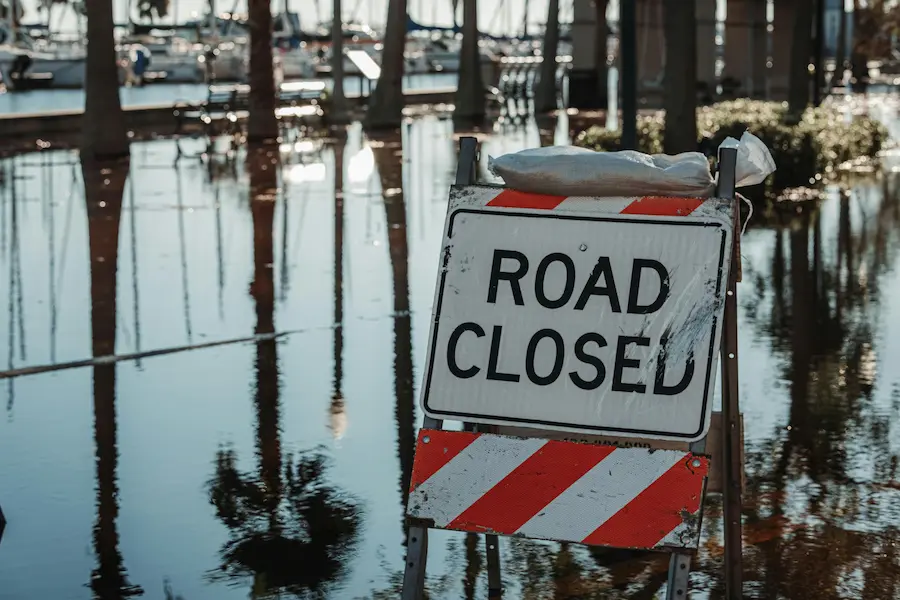
During the season (June to November):
- Follow National Hurricane Center newsletters at nhc.noaa.gov — as of mid-May, updates are already daily
- Don't wait for the last moment to act: with rapid intensification being a real threat this season, the time to prepare may be much shorter than in other years
- If you are a tourist, familiarize yourself with local alerts as soon as you reach your destination
The most important message of this season Hurricanes in Florida 2026
Experts repeat this in unison: the number of storms does not define the riskSo a season with few storms can completely change its level if one of them reaches a populated region, and rapid intensification — which grows in frequency every year — dramatically compresses the time available to react.
NOAA will release its official forecast for the 2026 season in May 21I'm going to follow up and bring the updates around here.
If you have already planned a trip to Orlando or any other city in Florida during this period, you don’t have to cancel — but it’s worth being informed. Here on the blog, I follow this closely every year just so you can travel (or more) with more tranquility and security.
So, stay tuned around here or even on our social networks because every time you release news, I've been running to tell you everything!
READ ALSO:
📌 Hurricane season in Orlando: what to do? — An essential guide with practical tips for those travelling during this period.
📌 Bastidores: How Disney Prepares for Storms and Hurricanes — See how parks organize themselves to ensure security and minimize impacts.
📌 The times Disney closed their theme parks — Remember the rare moments when Disney had to suspend its operations on account of hurricanes.


